























Femina Miss India Finalists Shine at Rann Utsav
Shreya Poonja and Rekha Panday celebrate culture and sustainability at Rann Utsav, Kutch.

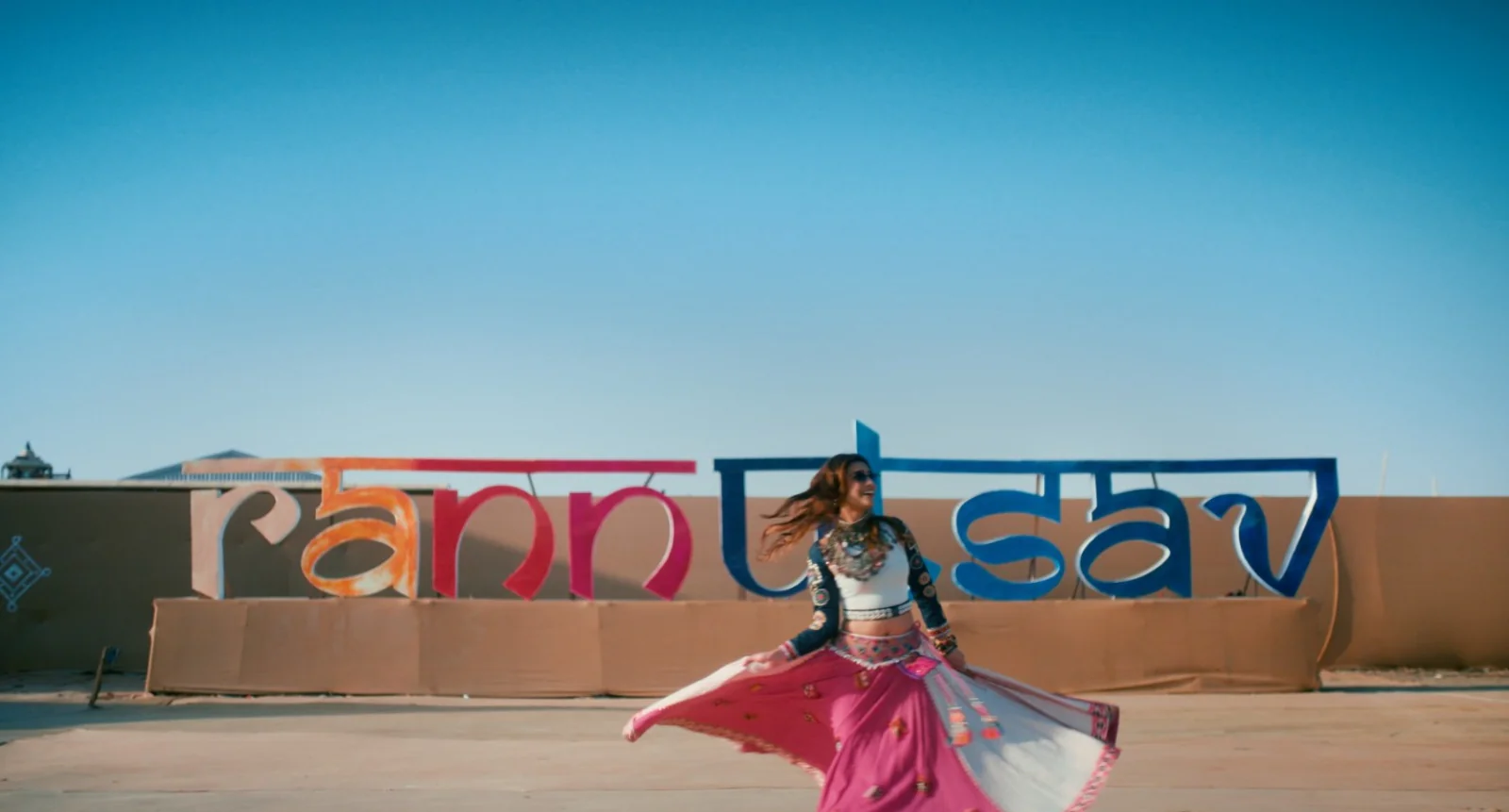
The pristine white salt desert of the Rann of Kutch recently welcomed two prominent young icons — Shreya Poonja and Rekha Panday — for an immersive visit that blended glamour, heritage, and responsible tourism. Their journey to the celebrated Rann Utsav in Kutch showcased not only the vibrancy of Gujarat’s cultural landscape but also its evolving commitment to sustainable travel practices.
Rather than heading directly to the festival’s iconic illuminated Tent City, the duo began their exploration along the quieter desert roads of Kutch. Riding motorcycles across expansive stretches beneath vast open skies, they experienced the region in its raw and elemental beauty. The silent salt flats, stretching endlessly toward the horizon, offered a powerful reminder of the region’s scale and serenity.
Shreya Poonja described the ride as transformative, noting that traversing lesser-known desert routes allowed her to slow down and absorb the calm of the landscape. The experience reflected Gujarat’s growing appeal among travelers seeking slow, intentional journeys — particularly adventure enthusiasts drawn to biking trails that prioritize immersion over speed.
A key highlight of their itinerary was a visit to Dholavira, a UNESCO World Heritage Site recognized as one of the most sophisticated urban centers of the ancient Indus Valley Civilisation. The site’s advanced water management systems — including intricately designed reservoirs and drainage networks — stand as remarkable evidence of early ecological planning. For the two Miss India finalists, Dholavira represented more than an archaeological marvel; it served as a reminder of India’s deep-rooted traditions of sustainable living and environmental harmony.
The journey reached its vibrant crescendo at Dhordo, home to the Rann Utsav and officially recognized in 2023 as a UN World Tourism Organization (UNWTO) Best Tourism Village. This recognition underscores Dhordo’s successful integration of heritage preservation, community participation, and environmentally responsible tourism development.
As evening descends, the stark white desert transforms into a living tapestry of color and rhythm. Folk musicians perform traditional Kutchi melodies, dancers present intricate choreographies, and artisans display handcrafted treasures. Visitors can explore authentic regional cuisine while engaging directly with local communities that form the cultural backbone of the festival.
What distinguishes Rann Utsav is its structured sustainability framework. The Tent City operates as a plastic-free zone supported by organized waste management systems and eco-conscious logistics designed to minimize environmental impact. Such measures ensure that large-scale celebrations coexist responsibly within the fragile desert ecosystem.
Rekha Panday emphasized the thoughtful planning behind the event, observing that every aspect — from no-plastic initiatives to waste management practices — reflects a conscious effort to balance festivity with accountability. The festival, she noted, demonstrates that celebration and environmental responsibility can successfully coexist.
Beyond the main festival grounds, the cultural richness of Kutch thrives in artisan villages such as Gandhi Nu Gam. Communities here continue to preserve centuries-old crafts, including Ajrakh block printing with natural dyes, intricate mirror-work embroidery, and the rare Rogan art form created using castor oil-based pigments. These crafts symbolize generational resilience and cultural pride, offering visitors meaningful insight into the region’s artistic legacy.
As moonlight illuminates the salt flats, the Rann becomes a luminous expanse of silver, where tradition meets modern travel values. Through the poised presence of Shreya Poonja and Rekha Panday, Rann Utsav once again demonstrated its stature as a natural wonder, cultural treasure, and model for sustainable large-scale tourism in India.